How is Phenoxyethanol Applied to Skincare?
1. Moisturizers & Creams
Used at 0.5% to 1% to prevent microbial growth, ensuring long shelf life and safety in water-rich creams. Common in both daily moisturizers and rich overnight creams.
2. Facial Cleansers
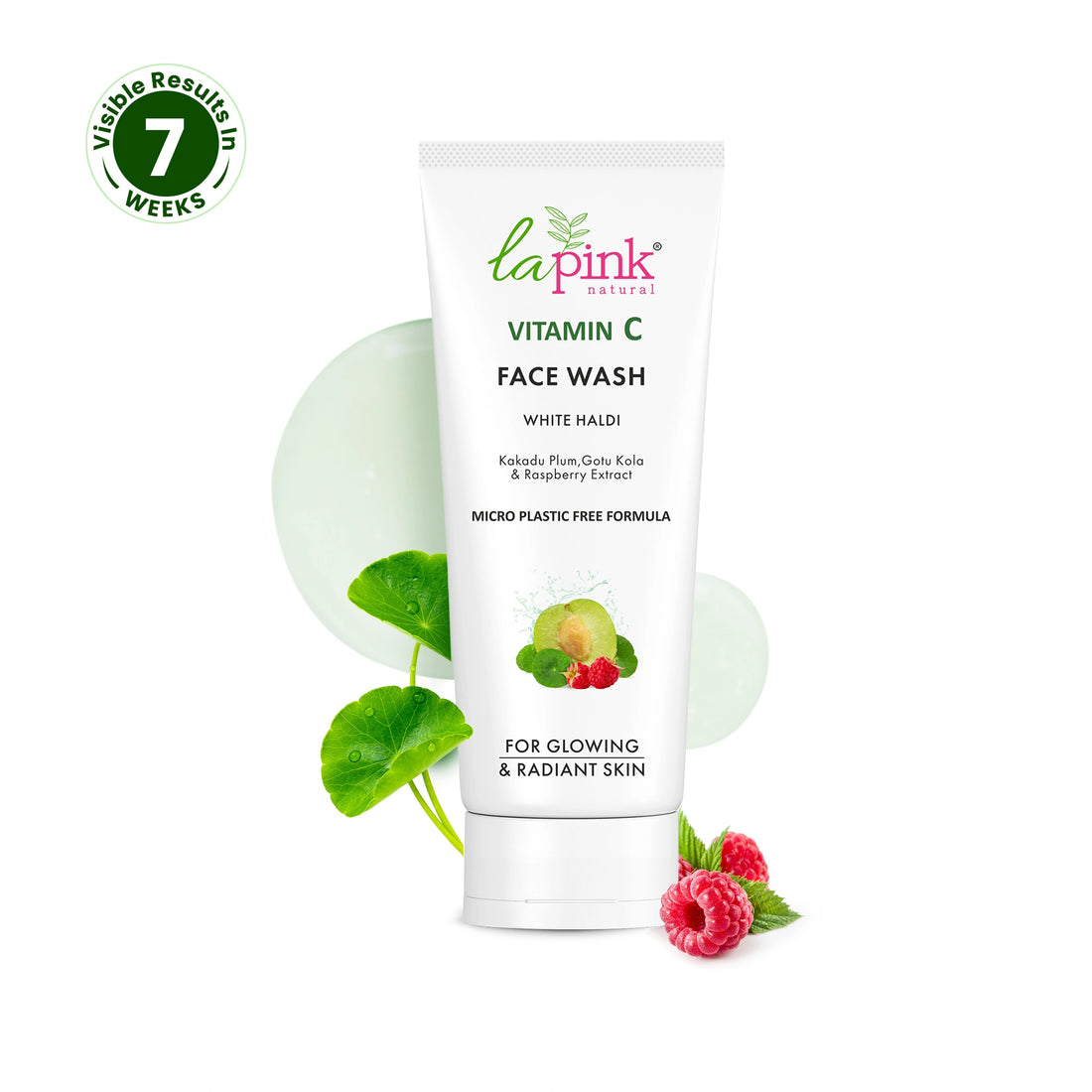
Added at 0.3% to 0.8%, it preserves liquid and gel cleansers that are frequently exposed to water and air, keeping them stable without altering their texture or performance.
3. Serums & Undereye Creams
Typically used at 0.2% to 0.6%, offering gentle preservation in lightweight, sensitive-skin products where a lower preservative load is crucial to minimize potential irritation or stinging near the eyes.
4. Sunscreens
Included at 0.5% to 1%, it maintains microbial safety in SPF creams and sprays, which often contain oils, emulsifiers, and water, making them more susceptible to contamination.
5. Toners
Used around 0.3% to 0.7% to preserve hydrating and pH-balancing liquids. Prevents bacterial growth in mist-style products stored in open or humid environments.
6. Baby Lotions
Formulated at 0.25% to 0.5%, offering safe preservation in delicate formulations designed for infants. Carefully used to avoid over-concentration and reduce risk of skin sensitivity.
Why is Phenoxyethanol Popular Among Beauty Formulators?
- Broad-Spectrum Protection: Effectively inhibits bacteria, yeast, and mold, preserving both water- and oil-based formulations.
- Low Effective Dose: Works efficiently at just 0.5% to 1%, preserving formulas without affecting texture, color, or scent.
- Paraben-Free Alternative: Serves as a safer, more accepted substitute for parabens in “clean,” “natural,” or “dermatologically tested” product lines.
- High Compatibility: Blends well with other preservatives and ingredients across a wide pH range (typically 3–10).
- Versatile Use: Suitable for almost all product types, including creams, serums, cleansers, sunscreens, and baby care items.
- Global Regulatory Approval: Approved by cosmetic authorities in the EU, US, Japan, and more, reinforcing its reliability and consumer trust.
- Non-Volatile & Stable: Doesn’t easily evaporate or degrade, ensuring long-term product safety and shelf life.
- Minimal Sensory Impact: Doesn't alter the feel, fragrance, or appearance of a formula, preserving the user experience.
Potential Benefits of Phenoxyethanol
1. Antimicrobial Protection
Phenoxyethanol protects products from bacteria, yeast, and mold, reducing the risk of contamination during use. This is especially vital for water-based formulations, which are more prone to microbial growth. Its consistent performance helps ensure the safety and integrity of skincare products throughout their shelf life, even after being opened and used multiple times.
2. Shelf Life Extension
By inhibiting microbial growth, Phenoxyethanol extends the functional and safe usage window of skincare products. It allows products to remain stable and effective for months or even years, minimizing waste and enhancing convenience for consumers. It also eliminates the need for refrigeration, supporting a longer shelf life without compromising performance.
3. Low-Dose Efficiency
Phenoxyethanol works effectively in low concentrations—typically 0.5% to 1%—making it ideal for preserving product quality without affecting its texture, color, or fragrance. Its minimal sensory impact ensures that active ingredients and cosmetic aesthetics remain unchanged, which is critical for maintaining product appeal and user experience across various skincare types.
4. Skin Tolerability
When used within recommended limits, Phenoxyethanol is generally non-irritating and safe, even for sensitive or acne-prone skin. Its mild profile makes it a suitable preservative in facial products, baby care, and around-eye formulations. While rare, any irritation usually occurs with overuse or in those with highly reactive skin.
5. Paraben-Free
As consumer demand grows for paraben-free skincare, Phenoxyethanol has become a go-to alternative. It offers reliable preservation without the hormonal disruption concerns associated with parabens. This makes it appealing for both formulators and health-conscious consumers, especially in products labeled as clean beauty, dermatologically tested, or hypoallergenic.
Possible Downsides of Phenoxyethanol
1. Slightly Skin-Irritant
In sensitive individuals, Phenoxyethanol may trigger mild skin or eye irritation, especially in higher concentrations or when used in multiple products simultaneously. Redness, stinging, or itching can occur, particularly on damaged or compromised skin barriers.
2. Potential Allergen
Though rare, it can act as a sensitizing agent, causing allergic reactions such as contact dermatitis. Reactions are more likely with frequent, long-term use or when combined with other potential irritants in leave-on formulations applied to delicate areas.
3. Limited Natural Appeal
Being synthetically derived, Phenoxyethanol may not align with 100% natural or certified organic skincare standards. Eco-conscious or “green beauty” consumers may avoid it, preferring plant-based preservatives even if they offer less broad-spectrum protection.
4. Location-Wise Regulatory Restrictions
Though globally approved, Phenoxyethanol use is restricted to 1% in the EU for leave-on products. This regulatory limit may constrain its preservative performance in larger formulations or in products that require extended shelf life under harsh conditions.
Do You Know?
Phenoxyethanol not only preserves skincare but also acts as a mild solvent, helping dissolve fragrance ingredients and certain actives for better formulation consistency. It has a mild natural presence in green tea and chicory, though it's primarily synthesized for cosmetics. Unlike many preservatives, it remains effective even in an open jar with repeated exposure to air. It also contributes to odor masking, subtly improving product scent without needing additional masking agents—making it multifunctional and formulator-friendly.