Improves Product Texture and Spreadability
Glyceryl Stearate gives creams and lotions that luxurious and silky feel many of us love. It allows skincare products to lay effortlessly over the skin without feeling greasy or heavy. This improved texture encourages better and more even application, enhancing product performance.
Aids in Emulsification
Ever wondered how water and oil stay blended in lotions? It’s because of Glyceryl Stearate. It acts as an emulsifier that stabilizes oil-in-water emulsions so that your product doesn't separate. This not only improves shelf life but also ensures consistent texture with every use.
Conditions the Skin
Glyceryl Stearate helps smooth the skin by filling in the gaps between skin cells. This leads to a more even texture, reduced roughness and softer skin. It’s particularly beneficial for those dealing with flaky or rough patches.
Reduces Irritation from Active Ingredients
If you use actives like retinoids, AHAs, or BHAs, Glyceryl Stearate can buffer their harshness. It acts as a stabilizer and moisturizer that softens the skin, minimizing irritation and enhancing tolerance to potent actives. This makes it an ideal addition to formulations aimed at sensitive or compromised skin.
How Microplastics Can Interfere with Glyceryl Stearate's Function?
Microplastics, often used in skincare for aesthetic or textural benefits, can hinder the full potential of Glyceryl Stearate. These non-biodegradable particles:
- Create a barrier that prevents Glyceryl Stearate from forming a proper film on the skin
- Disrupt the emulsification process, affecting texture stability
- Lead to occlusion and congestion, especially when layered with other thick ingredients
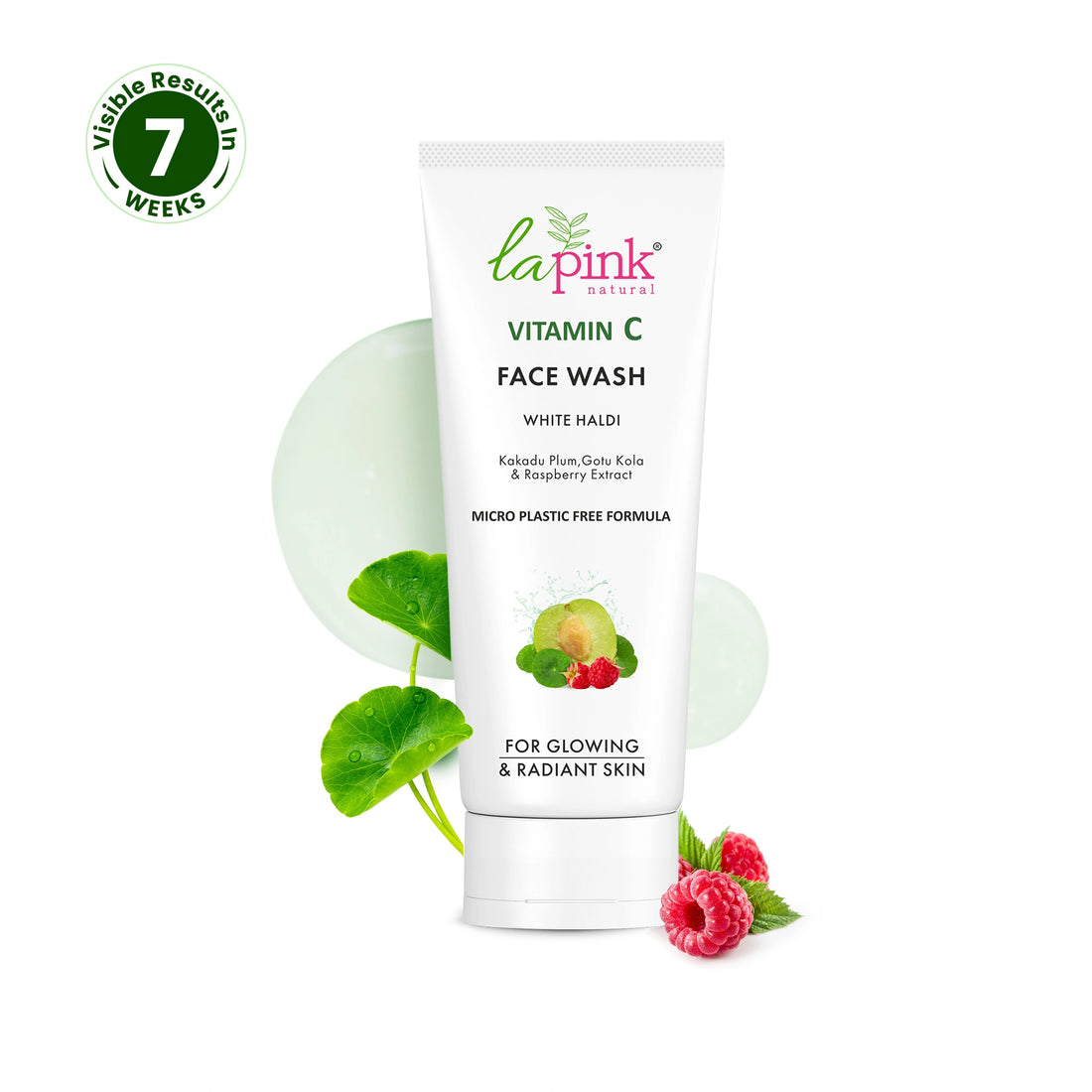
Opting for microplastic-free skincare ensures that Glyceryl Stearate and other ingredients can perform effectively, without any synthetic interference that might alter your skin’s pH or absorption capability.
How to Use Glyceryl Stearate in Your Routine?
Glyceryl Stearate is a formulation ingredient. You will find it in:
- Moisturizers
- Cleansing balms
- Sunscreens
- Night creams
- BB and CC creams
When selecting a skincare product, check the ingredient list. Glyceryl Stearate usually appears in the middle or upper half of the ingredient label. This means the concentration is functional enough to provide emulsifying and moisturizing benefits.
If you’re using a strong exfoliating product, follow up with a Glyceryl Stearate-based moisturizer to rebalance and hydrate your skin.
Final Thoughts
Glyceryl Stearate may not be a flashy ingredient, but it plays a vital supporting role in making skincare both effective and enjoyable. From stabilizing formulations to softening the skin and preventing moisture loss, it ensures your skincare delivers not just results, but also a luxurious experience.
Whether you have sensitive skin, are looking for cleaner formulations, or simply want your products to feel better, Glyceryl Stearate is a quiet hero worth embracing.