Potential Benefits of Emulsifying Wax
While emulsifying wax itself doesn’t directly nourish the skin or hair like active ingredients such as Vitamin E or Hyaluronic Acid, its presence makes those ingredients more effective by creating a usable, consistent product texture.
Smooth and Stable Product Texture
The most evident benefit is the creation of smooth, luxurious creams and lotions. Emulsifying Wax allows water-based ingredients and oil-based ingredients to blend evenly, ensuring every pump or scoop of product has a consistent composition.
Enhanced Moisture Retention
By blending oils and water, Emulsifying Wax helps form a light protective layer on the skin, reducing transepidermal water loss (TEWL). This means skin stays hydrated for longer, especially when the product also contains humectants like Glycerin.
Gentle and Non-Irritating
Emulsifying Wax is generally non-comedogenic and mild, making it suitable for sensitive skin types, children’s skincare products, and even hair conditioners. When formulated correctly, it won’t clog pores or cause irritation.
Versatility Across Products
From lotions and creams to hair conditioners and leave-in treatments, Emulsifying Wax adapts well to different product types. It helps maintain product stability in a variety of formulations, including those targeting oily, dry, or combination skin.
Better Spreadability
Products made with Emulsifying Wax spread smoothly across the skin or hair, delivering active ingredients evenly without clumping or feeling greasy. This helps ensure consistent results and user satisfaction.
How Emulsifying Wax is Used in Different Skincare Products?
- Moisturizers / Creams (3% to 6%): Used to bind oil and water into a stable, rich emulsion and improve texture.
- Facial Lotions (2% to 5%): Helps create lightweight emulsions with smooth spreadability and hydration.
- Body Butters (4% to 7%): Enhances consistency and prevents separation of thick oil-based ingredients.
- Cleansing Balms / Cream Cleansers (2% to 5%): Aids in rinsing off oil and dirt by forming stable oil-water mixtures.
- Sunscreens (3% to 5%): Keeps UV filters and other actives uniformly dispersed in the formula.
- Serums- Cream-Based (1% to 3%): Used in low amounts to create light emulsions without heaviness.
- Hair Conditioners (2% to 6%): Helps mix water-soluble and oil-soluble conditioning agents effectively.
- Makeup Primers (2% to 4%): Form a smooth, skin-like film and help emulsify silicones and oils.
- Night Creams / Sleeping Masks (4% to 6%): Provides thicker emulsion for longer-lasting moisture overnight.
- Eye Creams (2% to 4%): Enable gentle emulsions suitable for delicate under-eye skin.
Possible Downsides of Emulsifying Wax
1. Synthetic Variants May Irritate Sensitive Skin
Some emulsifying waxes contain PEGs or petrochemical derivatives, which may trigger mild irritation in highly sensitive or allergy-prone skin. Always patch test and opt for natural alternatives if your skin reacts negatively to conventional emulsifiers.
2. May Disrupt Natural Skin Barrier
Frequent application of products with emulsifying wax can, in rare cases, disrupt the skin’s lipid barrier, especially if combined with harsh actives. This may lead to dryness or sensitivity, so balance with nourishing ingredients and avoid overuse.
3. Environmental Concerns With PEG-Based Waxes
PEG compounds in synthetic emulsifying wax can be non-biodegradable and raise environmental concerns during manufacturing and disposal. Look for eco-certified, plant-based emulsifiers when sustainability is a top priority.
4. Not Always 100% Natural
Though often labeled as natural, many emulsifying waxes undergo chemical processing, which may not align with clean beauty preferences. For completely natural or organic formulations, beeswax-borax or sugar-derived emulsifiers may be more appropriate.
5. Performance May Vary With DIY Use
In homemade skincare, emulsifying wax may fail to blend properly if not measured or heated correctly, resulting in separation or a poor texture. Accurate formulation and technique are crucial for achieving consistent, stable results in DIY skincare recipes.
Why Emulsifying Wax is Popular among Formulators?
- Reliable Emulsion Formation: Ensures stable blending of oil and water without separation, ideal for creams, lotions, and serums.
- Versatile Usage: Works well in a wide range of products—from light lotions to heavy body butters and hair care.
- Smooth, Luxurious Texture: Gives products a creamy, soft feel that improves user experience and sensory appeal.
- Non-Greasy Finish: Helps formulations absorb easily into the skin without leaving behind a heavy or oily residue.
- Compatible with Many Ingredients: Easily blends with actives, oils, botanical extracts, and preservatives without altering product performance.
- Consistent Results: Performs reliably across different batches, reducing formulation errors and ensuring uniform quality.
- Non-Comedogenic and Gentle: Generally safe for all skin types, including sensitive and acne-prone skin, when used correctly.
- Improves Shelf Life: Creates stable emulsions that are less prone to microbial contamination, boosting overall product safety and longevity.
- Easily Available and Cost-Effective: Widely accessible in both natural and synthetic forms, making it affordable for large- and small-scale formulators.
- Supports DIY Formulation: User-friendly for beginners and hobbyists, making it a go-to for homemade skincare enthusiasts.
Impact of Microplastics Emulsifying Wax Functionality
Microplastics, such as polyethylene beads or synthetic polymers, have been present in cosmetic formulations for years. However, these materials are increasingly avoided due to their environmental impact and potential interference with skincare ingredient performance.
When microplastics form an occlusive film on the skin, they can reduce the effectiveness of products that contain Emulsifying Wax. Here’s why:
- Blocked Absorption: Microplastics can prevent emulsified products from properly absorbing into the skin or hair.
- Compromised Texture: May cause separation in emulsified products over time.
- Environmental Concerns: Non-biodegradable, posing risks to aquatic life.
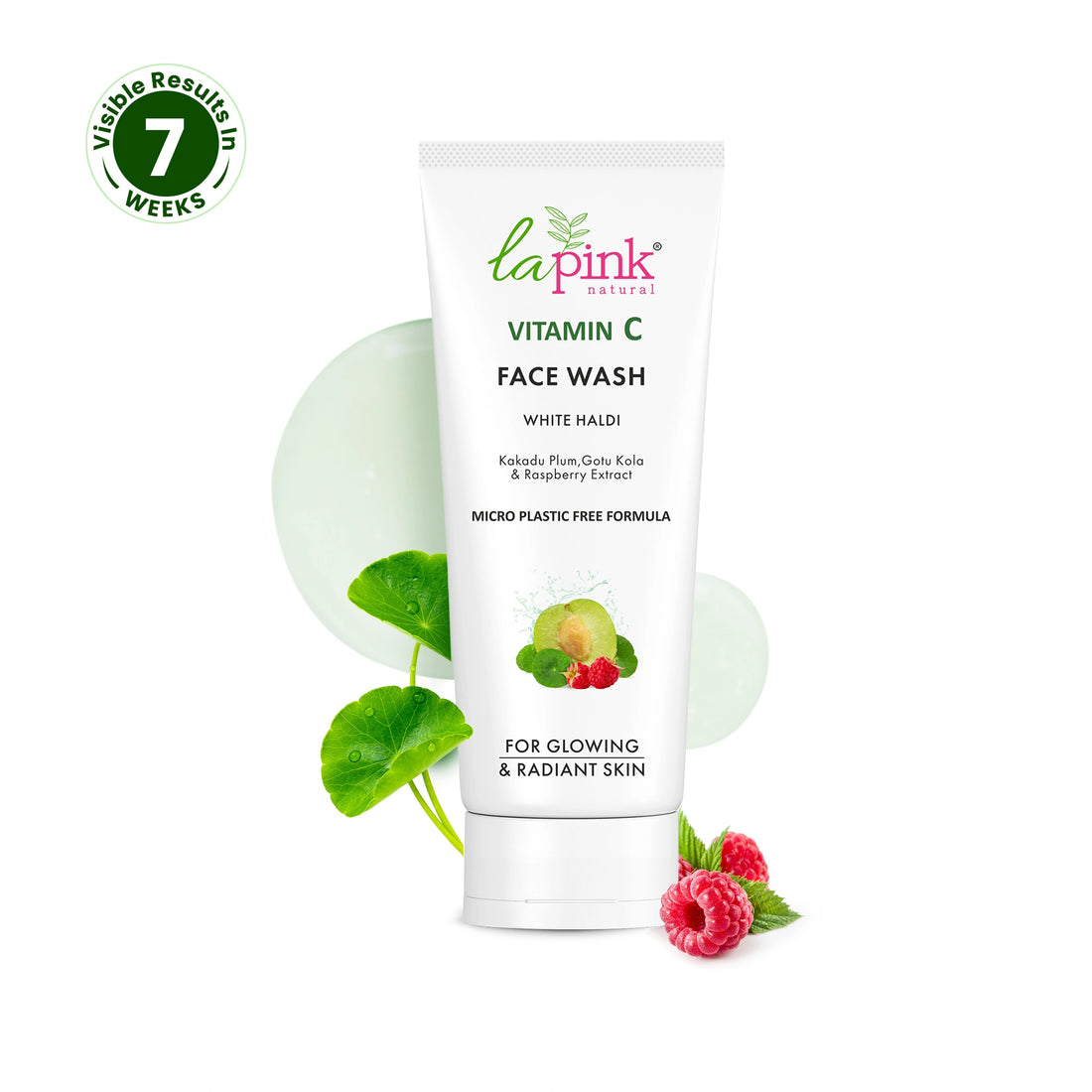
Opting for microplastic-free formulations ensures that products containing Emulsifying Wax perform effectively while also being environmentally conscious.
Do You Know?
Emulsifying wax doesn’t just blend oil and water—it can actually influence the final pH of a skincare product. This hidden trait is crucial because pH affects product stability, skin compatibility, and how well active ingredients perform. Skilled formulators adjust pH accordingly when using emulsifying wax to ensure the product stays skin-friendly and effective. So, behind its creamy texture lies a quiet role in keeping your skincare both stable and safe!