How D-Panthenol is Used in Skincare Products?
Moisturizers & Creams
Usage: 1%–5%
For deep hydration and skin barrier support, D-Panthenol is used in higher percentages (up to 5%) in almost all moisturizers and creams, regardless of skin type.
Serums & Ampoules
Usage: 0.5%–2%
In serums, D-Panthenol is used at a minimal percentage, ranging from 0.5% to 2% combining with other actives like niacinamide or hyaluronic acid for soothing effects.
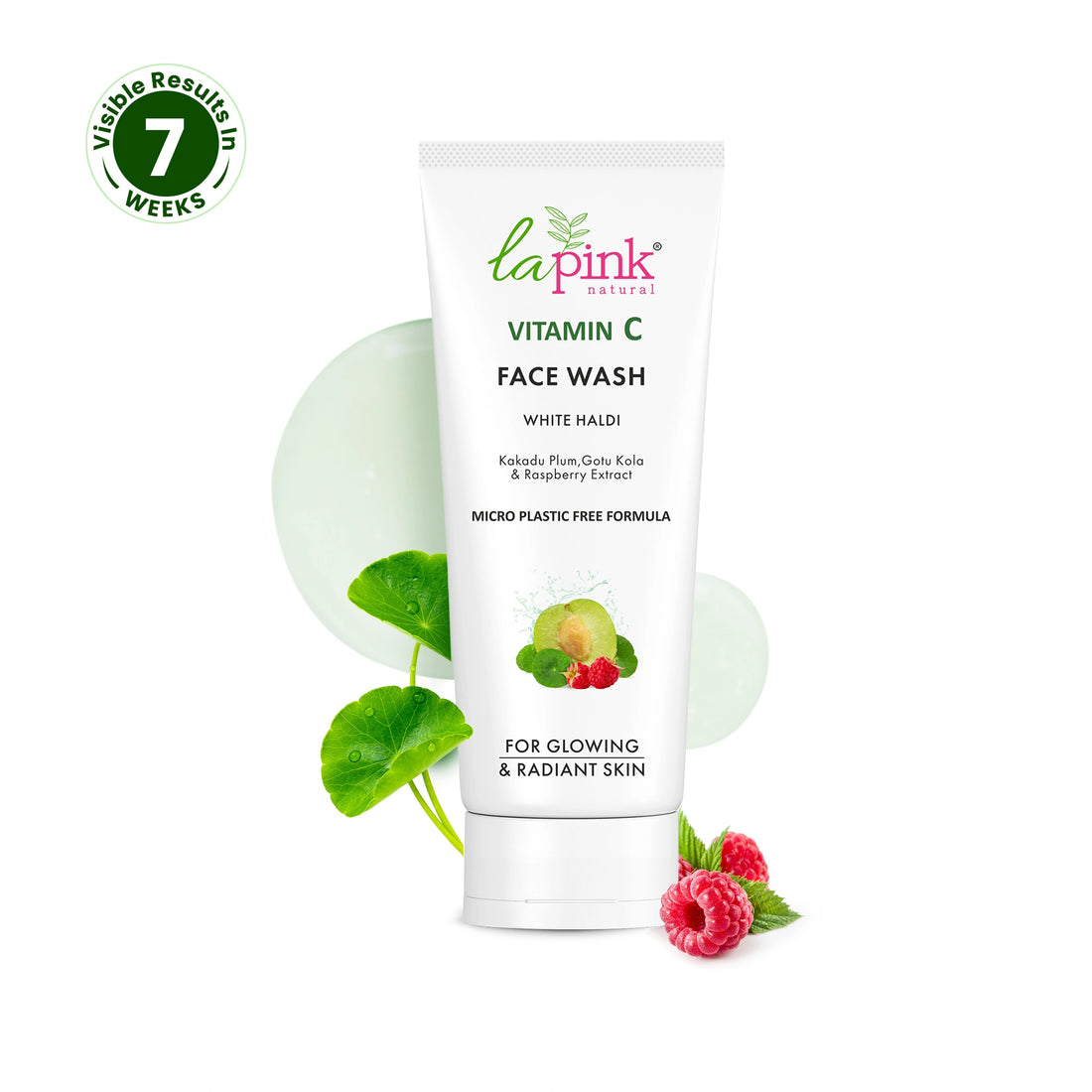
Cleansers & Face Washes
Usage: 0.1%–1%
Added in tiniest percentage to prevent dryness or irritation during cleansing, especially in sulfate-free or gentle formulations.
After-sun & Healing Balms (2%–5%)
Used at higher levels for its anti-inflammatory and skin-repairing benefits to treat burns, redness, or post-treatment irritation.
Lip Balms & Hand Creams (1%–3%)
Incorporated to soften rough areas and maintain moisture, especially in formulas targeting cracked, flaky, or chapped skin.
Potential Benefits of D-Panthenol
1. Intense Hydration
D-Panthenol acts as a potent humectant. It penetrates deep into the skin layers, locking in hydration and preventing water loss. This makes it highly effective for treating dry, flaky, or dehydrated skin, leaving it soft, plump, and nourished with a smooth, supple finish.
2. Enhances Skin Barrier Function
D-Panthenol invigorates the skin’s natural lipid barrier that shields environmental aggressors like pollutants, allergens, and bacteria. By reinforcing the skin’s defense system, it reduces sensitivity, minimizes irritation, and thus maintains a healthy moisture balance. A stronger barrier also aids in faster skin recovery and long-term resilience against external stress.
3. Promotes faster Healing & Repair
D-Panthenol supports skin regeneration by stimulating the production of new cells and enhancing tissue repair. It's highly beneficial for healing wounds, sunburns, acne scars, and minor cuts. Its soothing nature makes it suitable for post-treatment or post-shaving care, accelerating recovery while preventing discomfort, dryness, and redness during the healing process.
4. Soothes and Calms Irritated Skin
With its anti-inflammatory and calming properties, D-Panthenol effectively reduces redness, itching, and irritation. It is especially beneficial for sensitive or reactive skin with conditions like eczema, dermatitis, and rosacea. By soothing the skin, it restores comfort and prevents flare-ups, making it a go-to ingredient in calming creams, baby lotions, and gentle cleansers.
5. Improves Skin Texture and Elasticity
Regular use of D-Panthenol-rich products can visibly enhance skin texture by softening rough patches and improving elasticity. It helps maintain a smooth, even surface by keeping skin well-hydrated and plump. Over time, this can reduce the appearance of fine lines and contribute to a more youthful, firm, and radiant complexion.
Possible Downsides of D-Panthenol
1. May Cause Allergic Reactions
Though generally safe, some individuals may develop mild allergic reactions like redness, itching, or a rash. This sensitivity is uncommon but can occur, especially with prolonged use or in those with extremely reactive or compromised skin barriers.
2. Comedogenic in Heavy Formulas
In rich or occlusive formulations, D-Panthenol may contribute to clogged pores in acne-prone or oily skin. While not inherently comedogenic, its combination with thick bases might increase breakouts if not formulated carefully for your skin type.
3. Over-Hydration Risk
Excessive use in highly humid climates or on oily skin may lead to a heavy, greasy feeling or over-moisturized skin, which can interfere with natural sebum balance and barrier function if not paired with lightweight textures.
4. May Interact with Actives
When layered incorrectly, D-Panthenol might interfere with the absorption or effectiveness of potent actives like retinol or exfoliating acids. It’s important to apply it strategically in routines to avoid dilution of other targeted ingredients.
5. Potential Build-Up in Haircare
In haircare products, D-Panthenol can lead to residue build-up over time, especially when not rinsed properly. This can weigh down hair, making it appear greasy or dull, requiring clarifying treatments to restore volume and shine.
Why D-Panthenol is Popular Among Formulators?
Multi-Functional Ingredient: Offers hydration, healing, soothing, and barrier support, allowing use in a wide range of products.
High Tolerance: Well-tolerated by all skin types, including sensitive and baby skin, reducing the risk of irritation.
Water-Soluble: Easily incorporated into water-based formulations like serums, creams, and gels.
Stable & Non-Reactive: Remains stable in different pH ranges and doesn't react negatively with common actives.
Enhances Product Appeal: Known benefits and a consumer-friendly name improve product marketing and trust.
Boosts Efficacy of Other Ingredients: Works synergistically with moisturizers and skin-repair agents to improve overall formulation performance.
Do You Know?
D-Panthenol not only hydrates skin but also boosts fibroblast proliferation, aiding in collagen synthesis and tissue repair, making it beneficial in anti-aging formulations. It also enhances the spreadability and feel of emulsions, giving a silky finish. With this, it can reduce UV-induced redness when used in sunscreens, adding extra protection and calm to sun-exposed skin.